
Practice these two things and be confident your writing is clear
ClearMark judge Geraldine Hynes, PhD, is a communication consultant and executive coach for business, government, and nonprofit organizations. Her award-winning research has been published in scholarly journals and books in several countries and languages.
Join the Center and Save on Registration for the Access for All Virtual Conference
Don’t miss the Access for All conference October event! This conference marks the first time Clarity International, the Center for Plain Language, and Plain Language Association International (PLAIN) have joined together to celebrate clear communication. It is the first virtual plain language conference. Come join us as we discuss how we have and can use […]
ClearMark Award winners announced at the Access for All virtual conference October 13-15, 2020
Together with our partners, Clarity and Plain International, we are hosting the Access for All: Plain Language is a Civil Right International Conference virtual event October 13-15, 2020. We will announce the winners of our ClearMark Awards during this event. Access for All: Plain Language is a Civil Right, is a conference dedicated to using […]
A brief interview with two Center volunteers: Casey Mank and Grace Foster
Recently, the Center’s Vice Chair, David Lipscomb, talked with two Center volunteers who also happen to be successful entrepreneurs– Casey Mank and Grace Foster. They are the two founders of Bold Type, a writing consulting firm that is prospering in its second year. Armed with masters degrees, experience leading workshops and coaching for Kelloggs, Viacom and the US Army, both Grace and Casey also carve out time to teach at Georgetown University.
Don’t blame your readers for not understanding
Another holiday season has passed, along with the requisite schmoozing at parties. I tend to be more of a listener than a talker. But if I’m asked, I do admit that I’m an editor and a proponent of plain language.
If most of the people you’re trying to communicate with aren’t responding in the way you intended, there’s a good chance that the problem is YOU.
Tweet this: Simple and short

I admit it. I’m a Twitter junkie.
Am. Hooked.
That little blue bird links me to world news, business trends, entertainment, and my political and social interests. The key value of Twitter is its limited character count. It forces writers to be direct.
Give us your feedback?
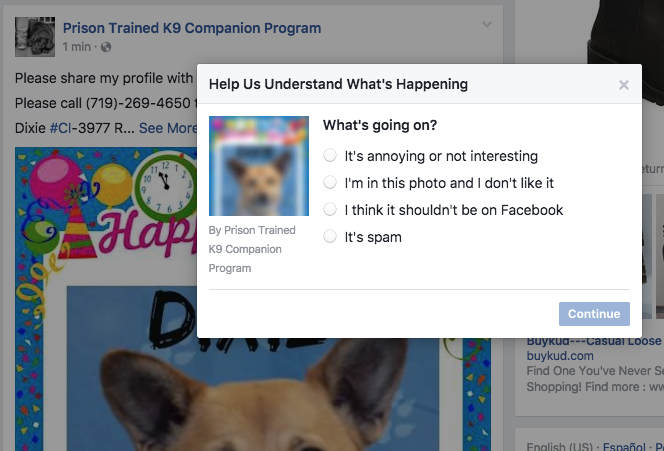
We’ve all felt the frustration of filling out an online comment card that looks like it was created by someone who had never seen the website you want to comment on in the first place. “Have a Comment?” the site asks enthusiastically. You click on the digital Comment Card link. The page opens, and you scan for the options that most closely match your feedback. It’s not there.
A Short History of the Center for Plain Language
As we look ahead to 2017, let’s take a look back at where we began.
How did the Center begin?
In the mid-1990s, a group of federal Plain Language advocates met monthly in Washington, DC. We called ourselves PEN – the Plain English Network. In 2000, we changed the name to PLAIN – the Plain Language Action and Information Network. And PLAIN still exists today.
Financial Product Legalese – It’s on you
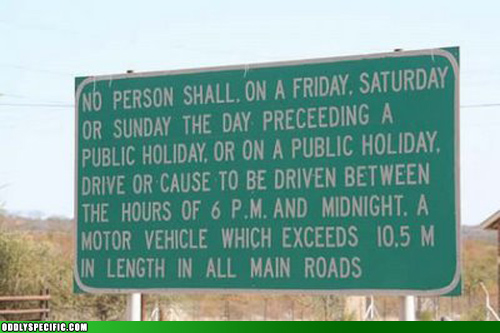
The Center for Plain Language had this to say about the legal fine print that overran one advertisement for an investment product: “Once again a financial institution that expects me to trust them with my money makes it impossible for me to know what they are going to do with my money.”
The Center had singled out a Charles Schwab & Co. ad for a Wondermark “award” for unintelligible writing.
Clear Content: Every written word represents your university brand

I expect 99.9% of the public wouldn’t understand this information on a university website explaining (I think) that the owner of content on a website is responsible for that content. I bet you thought “assets” meant “money,” but this information comes from the IT unit. “Assets” means web content. To be fair, the intended audience likely is IT people, so perhaps the language is appropriate for them. Perhaps.
Why should you care about bad forms?
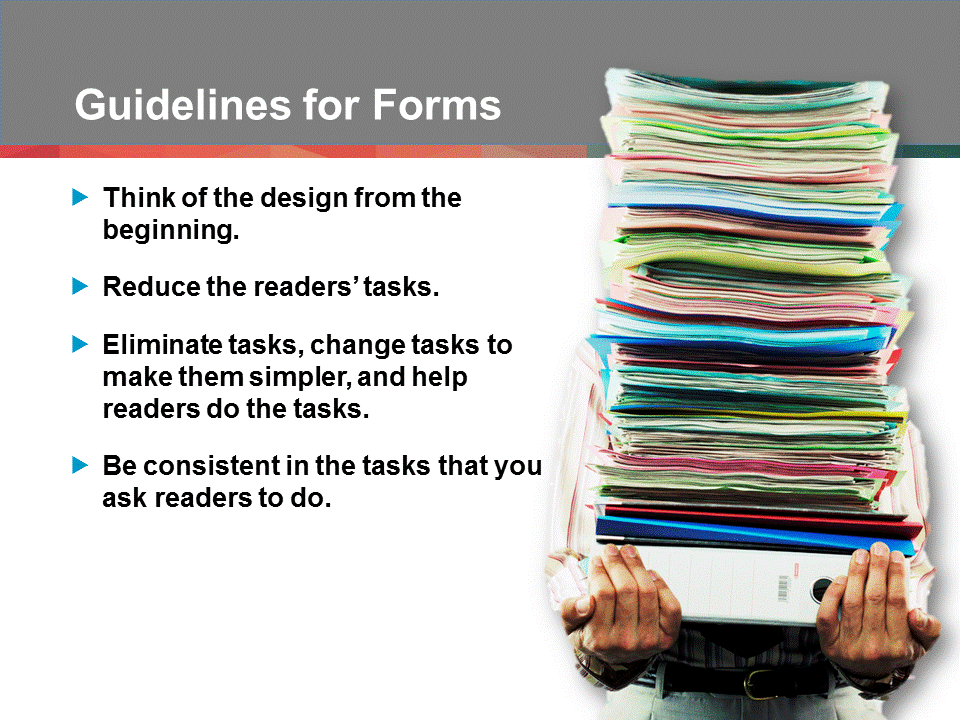
People from all income and education levels are intimidated by poorly designed and ill-conceived forms and notices. In many other projects that we’ve undertaken over the years — from simplifying bankruptcy forms to tax forms, school enrollment forms, credit card statements, insurance applications, and program-related forms — the findings are consistent. The organizations may be different, but the problems remain the same.
UnitedHeathcare
On the event of Annetta’s “retirement”
In honor of the retirement of Annetta L. Cheek, PhD, Board Chair and co-founder of the Center for Plain Language, an American flag will fly over the U.S. Capitol today. The Center is a nonprofit organization that advocates for clear language in government, business, nonprofits and universities. The testimonial reads: “As she steps down from her […]
Plain language = more than words
This article on the role of pictures in health literacy underscores the fact that plain language is about more than just the words we use – it’s about the way we present information, too. Layout and design is just as important as language, and can have a huge effect on the usability of communications materials. […]