
Part of our plain language work
Do you ever teach nonwriters?
Do you ever struggle with what to focus on?
Do you wonder how to keep students engaged?
I’ve taught digital writing at my government organization for 10 years. And I’ve learned some things along the way I’d like to share.
I’ve taught over 700 students in over 140 work units. Most of them aren’t “writers” in the normal sense. But they write as part of their work (such as web pages, intranet pages, and reports).
Why do I teach nonwriters? Because it supports my organization’s plain language promise: With everything we write, our readers should be able to find what they need, understand what they find, and use that information.
4 tips for teaching writing to nonwriters
- Focus on building blocks.
I nerd out on word frequency lists and the brain science of reading sentences. The students I teach mostly don’t care about that. They want to know What can I do today to make my writing more effective?
We can’t achieve plain language without the building blocks of writing. So, I focus the class on basic skills.
In surveys students fill out after class, over 70% name at least one thing they learned they can use right away, such as:
- Use more informative links
- Think about white space
- Ability to write concise contract wording
- Choose better headings
- Forward load statements with pertinent information
- Using simpler words
- Writing more concise and readable case notes
- Using concise writing and plain language in the job postings we help write.
I would love to share all I know about plain language. But I must think about what the students need, not what I want to talk about.
As a plain language practitioner, I love the why. The students love the what.
For example, one topic I teach is how to write good headings. I mention the International Organization for Standardization’s standard for headings.
But (even though I’d love to), I don’t say what a big deal it was, in 2023, that the ISO issued plain language standards. I care about that. But do students? I think not.
I base all class material on science, so it’s credible. But I stay away from detail that would distract students.
- Stay with 3 writing topics at most.
I only have 2 hours to teach the class. So, I target some of the most important writing topics.
At my organization (and many others), those are:
- Conciseness: make the most of every word, section, and page
- Scannability: write meaningful headings and break up paragraphs
- Accessibility: create alt text, spell out acronyms, define words
I chose the issues that come up a lot, working with subject matter experts. I’ve seen these items make a big difference in the quality of digital information.
In a short class – focusing on only three topics lets nonwriters narrow their focus.
- Include exercises for all topics.
Exercises let students practice what they learned in real time.
I make the exercises simple, so people can do them in the time allowed.
For example, one exercise has people rework two lengthy sentences so they’re concise. Another has them create headings for a few paragraphs. Yet another has them write alt text for two photos.
I also review and critique a sample of answers during class (exercises are anonymous so no one is “called out”). Students can see in real time when their answers are good or – need improvement.
What students think
Students respond well to the content and structure of the class:
- 98% understand the main concepts very well
- 100% absorb the combination of lecture, examples, and exercises
- 98% say the instructor answered questions effectively
Over 4 years, students have made over 130 positive comments including:
- This was the best, most well-executed, educational experience I have had with Hennepin County.
- One of the more practical and useful classes I’ve taken at the county.
- Definitely informative and will help with my line of work!
- Great class – this will also be helpful for writing emails to communicate important information.
- I will be recommending this class to my coworkers.
Unlike me, students don’t care about plain language as a subject. They want to make their writing more clear, meaningful, and usable.
Final thought
Above all: Love your material and your students’ learning experience.
This may seem obvious. But have you ever had a teacher who likes the material and not the students? I once had an Excel spreadsheet teacher who got irritated at questions. And we were all beginners. He loved Excel. But not whether we learned anything.
I don’t teach class to perform my knowledge. I teach class to transfer my knowledge. Students can then it to their work.
I don’t have a teaching degree or experience in learning and development. But I know this: students can sense my attitude toward the material and toward them.
I figure if you have these two things in place, you can learn all else about teaching writing to nonwriters.
I see this teaching approach as a way to carry the good news of plain language. And that can help create future practitioners.
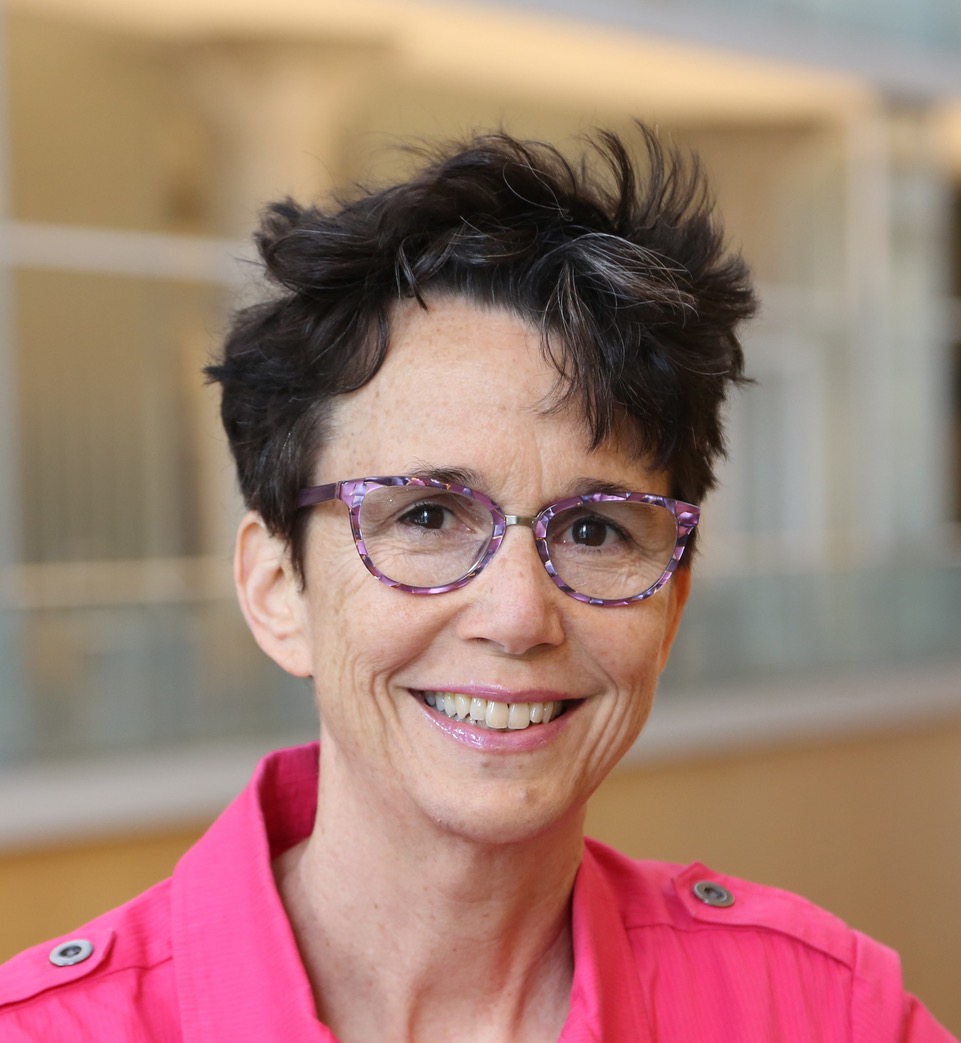 Jo Marsicano is a user experience specialist at Hennepin County, Minnesota and a member of the Center for Plain Language.